
Test 123

Nattokinase is an enzyme you mostly find in a traditional Japanese food called natto, which is made from soybeans fermented with a special bacteria. People have started talking about nattokinase a lot because of its possible effects on heart health. It’s available as a supplement now, and some folks are interested in it for things like blood pressure, cholesterol, and blood clots. But, like with any supplement, there’s a lot to consider before jumping in.
- Nattokinase is an enzyme from fermented soybeans, originally found in the Japanese food natto.
- It may help with heart health by supporting blood flow, lowering blood pressure, and reducing blood clots.
- Studies in animals and people suggest nattokinase could have benefits, but results are mixed and more research is needed.
- There are possible side effects, like bleeding or allergic reactions, especially if you take blood thinners.
- If you’re thinking about using nattokinase supplements, talk to your healthcare provider first to make sure it’s safe for you.
What Is Nattokinase and Where Does It Come From
Nattokinase is well known for its unique ability to break down certain proteins in the body. This enzyme is derived from a traditional Japanese food called natto, which is made from fermented soybeans. People often turn to nattokinase because of its connection to heart and blood vessel health, but before we get to those details, let’s unravel where it starts and how you might find this enzyme today.
Origins in Japanese Fermented Foods
Natto isn’t just your average soybean dish. For centuries, it’s been a regular at Japanese breakfast tables. What makes natto stand out is how it’s created: soybeans are wrapped and then fermented with a specific bacteria, giving them a sticky, stringy texture and an acquired taste and smell. This bacteria is the real star here—it produces the nattokinase enzyme during fermentation.
- Natto has been eaten for hundreds of years in Japan.
- Fermentation occurs by introducing Bacillus subtilis var. natto.
- This process gives natto its unusual flavor and nutritious boost.
Eating natto means you’re getting nattokinase as a natural part of your diet, which some people prefer over taking supplements.
Role of Bacillus subtilis Natto
The fermentation magic comes from a bacterium called Bacillus subtilis natto. Once added to cooked soybeans, it gets to work, producing nattokinase and other enzymes. While there’s a lot going on inside that sticky mass, nattokinase is the main player when it comes to possible health benefits.
- Bacillus subtilis natto is key for nattokinase production.
- The bacteria transform plain soybeans into a nutrient-rich food.
- Only natto—among all soyfoods—naturally contains nattokinase.
Forms of Nattokinase Products
| Form | Description |
|---|---|
| Capsules | Easy to swallow; most common |
| Tablets | Convenient; may contain binders |
| Powders | Can be mixed with food or drinks |
- Some supplements use vegan-friendly ingredients.
- Dosage and absorption might change depending on form.
- Not all products are created equal—quality varies a lot between brands.
If you’re looking at nattokinase supplements, always read the label closely. Look for dosage information, and don’t hesitate to ask a healthcare professional about what’s best for you.
How Nattokinase Supports Heart Health
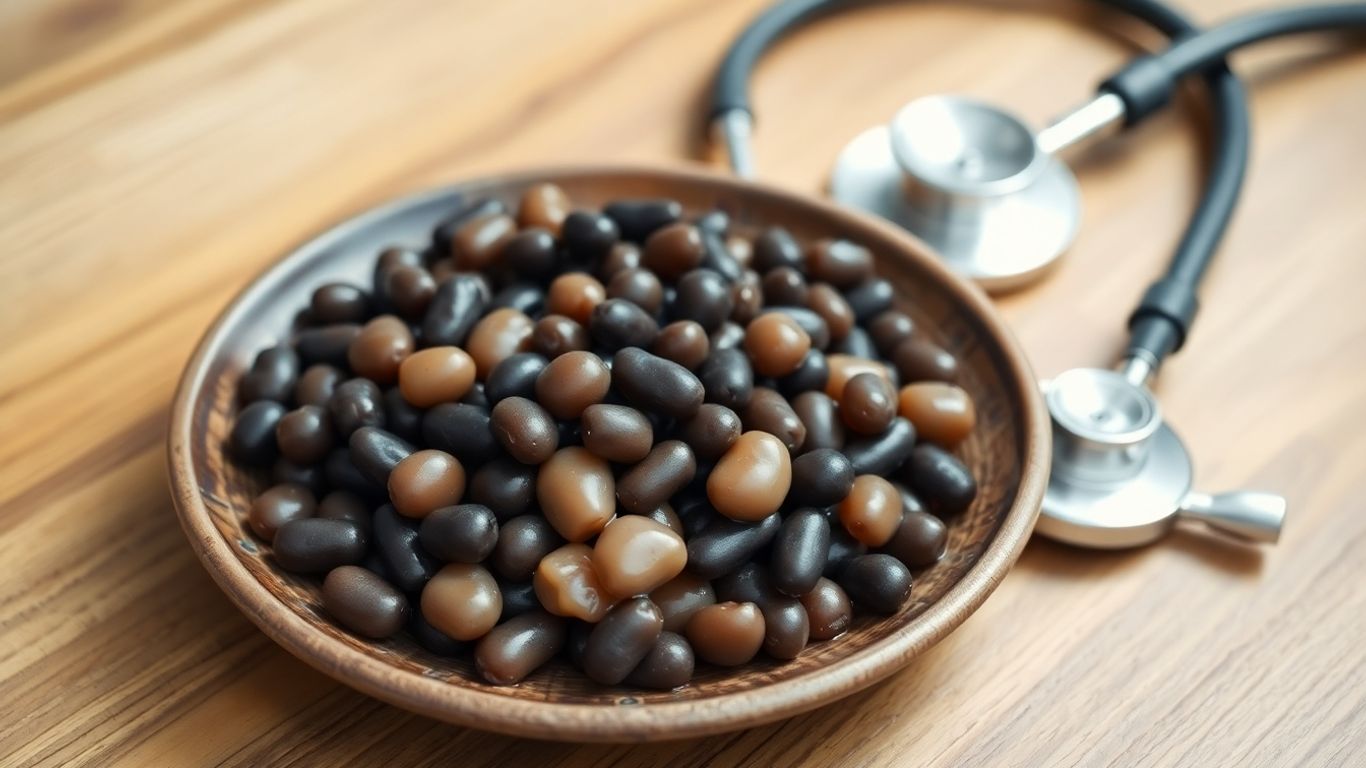
Nattokinase has caught the attention of people looking for natural ways to take care of their heart. This enzyme, found mostly in the Japanese food natto, may help with a few important heart and blood vessel issues. Let's look at the main ways nattokinase supports cardiovascular health.
Mechanisms in Blood Clot Dissolution
One of the main benefits of nattokinase is its effect on blood clots. Nattokinase works directly to break down fibrin, the main protein involved in clot formation. This process may help the body dissolve clots that have already formed and prevent new ones from blocking blood flow. Here's a quick list of what nattokinase does to encourage clot breakdown:
- Breaks down fibrin directly through enzymatic action.
- Increases production of tissue plasminogen activator (t-PA).
- Reduces levels of plasminogen activator inhibitor (PAI-1), making clot breakdown easier.
Reduction of Blood Pressure and Cholesterol
Nattokinase has shown promise in helping lower both blood pressure and cholesterol in some studies. When people with high blood pressure (hypertension) took nattokinase supplements, many saw a drop in both systolic and diastolic pressures. There’s also some evidence that nattokinase can reduce total cholesterol, LDL (the "bad" cholesterol), and triglycerides.
| Effect | Potential Result |
|---|---|
| Blood Pressure | Lowered systolic/diastolic |
| Total Cholesterol | Reduced |
| LDL Cholesterol | Lowered |
| Triglycerides | Decreased |
Many people use nattokinase with hopes of keeping their blood pressure and cholesterol in check, both of which play a huge role in overall heart health.
